
In vitro and in vivo study approaches
Discover what we do in the laboratory

Molecular Biology Techniques
- DNA recombination assays, cloning and in situ mutagenesis.
- DNA Sequencing: Whole-Exome and Nanopore Sequencing
- RNA Biology: semiquantitative and quantitative PCR; genome-wide analysis of RNA (RNAseq), UV- Cross-linking and Immunoprecipitation (CLIPseq) and Chromatin Immunoprecipitation (ChIPseq)-sequencing datasets.
- In silico analysis of public datasets, in vivo splicing and 3’RACE assays.
- Analyses of nascent RNA transcripts and RNA polymerase II processivity.
- Protein Biology: western blot, transient and stable depletion/overexpression of selected genes, luciferase assay, Protein-DNA (ChIP), Protein-RNA (RNA-pulldown, CLIP, RNA immunoprecipitation), and Protein-Protein (Protein gradient fractionation, yeast and mammal two-hybrid, GST-protein pulldown, Co-immunoprecipitation) interaction. Luciferase assay.
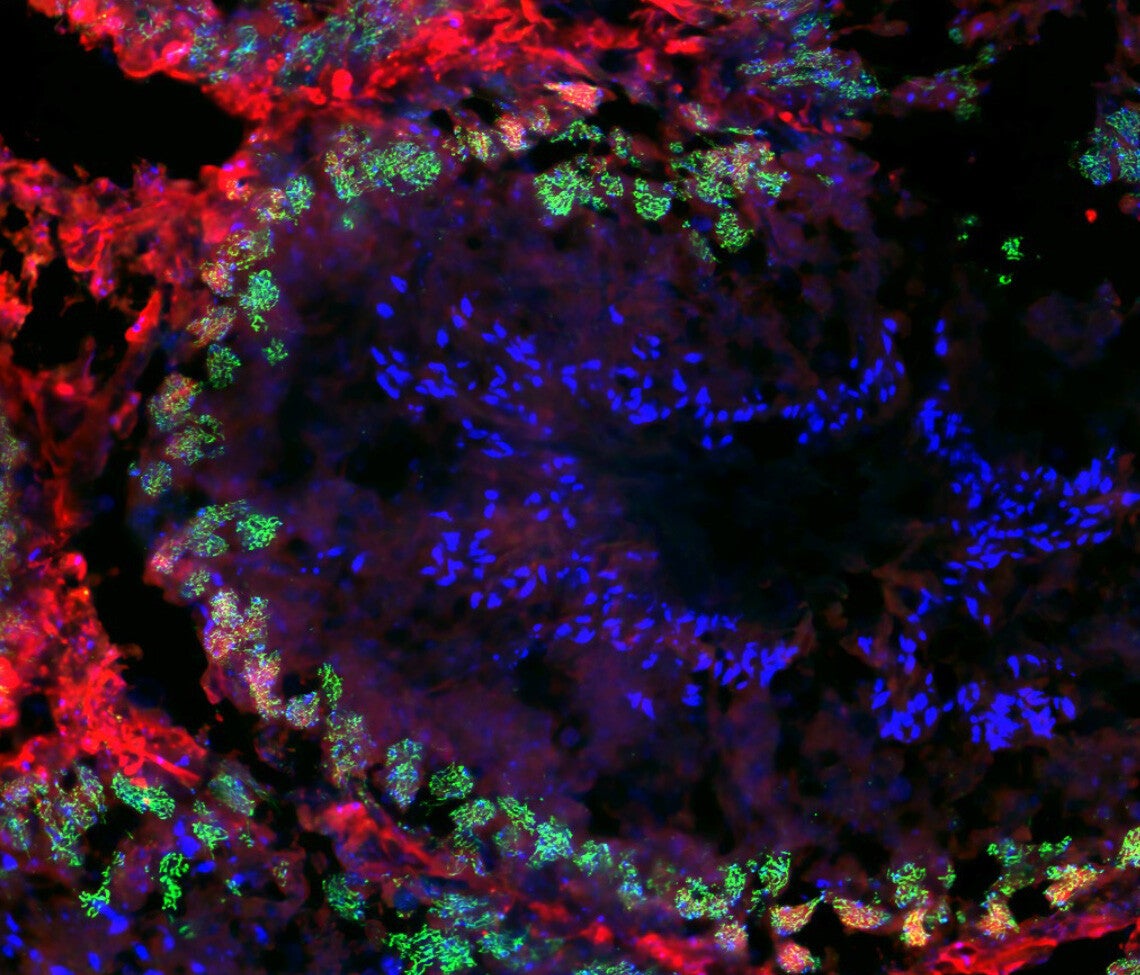
Cell Biology and Histology Techniques
- Cell culture,
- proliferation, clonogenic assays,
- Invasion and chemotherapy response assays,
- Flow cytometry,
- Immunofluorescence,
- Fluorescence In Situ Hybridization (FISH)
- Organ inclusion and H&E staining,
- Immunohistochemistry
- Meiotic chromosome spreads
- Fluorescence microscopy and deconvolution
- Bright field microscopy
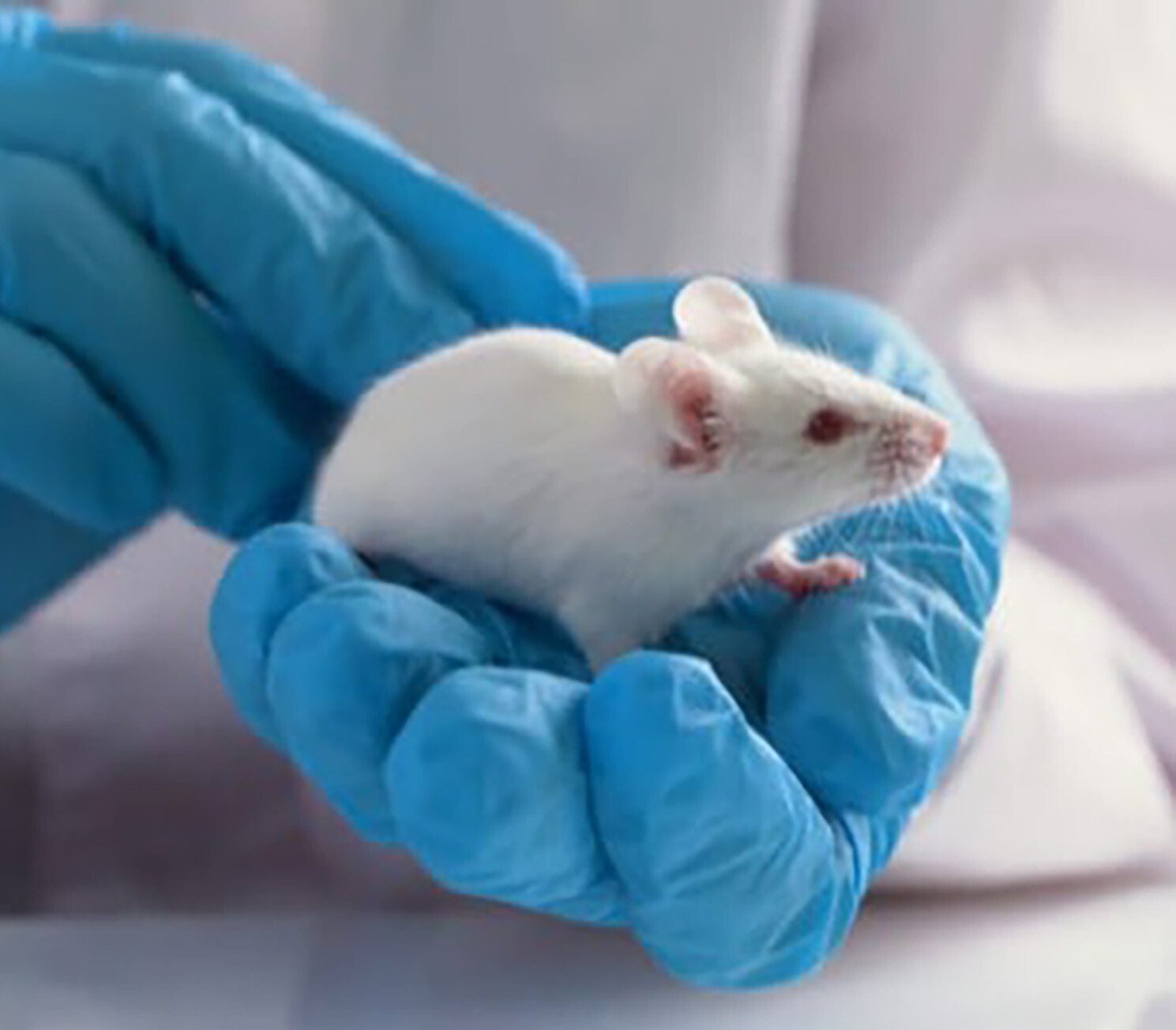
In vivo Studies on Animal Models
- Animal manipulation from embryonal to adult stage.
- Generation of Knock-in, knock-out mouse models and their phenotypic characterization
- Generation of xenograft models for the in vivo study of cancers progression and response to chemotherapy treatments.

Create Your Own Website With Webador