Our Research Goals
Prof. Pellegrino Rossi
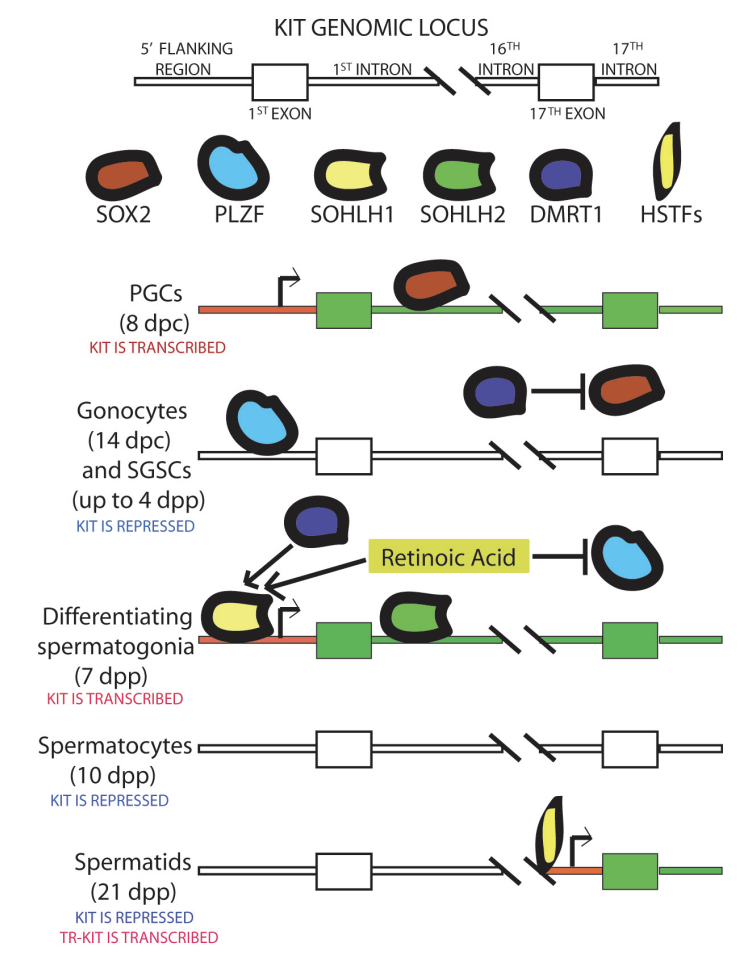
Starting from 1990 and up to date, his main field of research is the study of the mechanisms that control the differentiation of male germ cells, and in particular: expression and function of proto-oncogenes in spermatogenesis, interaction between pituitary hormones and paracrine factors in testicular regulation of hormone-dependent gene transcription, control of meiotic progression, control of gene expression in the haploid phase, genetic mechanisms of male infertility, molecular basis of fertilization, mechanisms of specification of the germ cell line, generation of animal models for testicular germ cell tumors.
Prof. Susanna Dolci
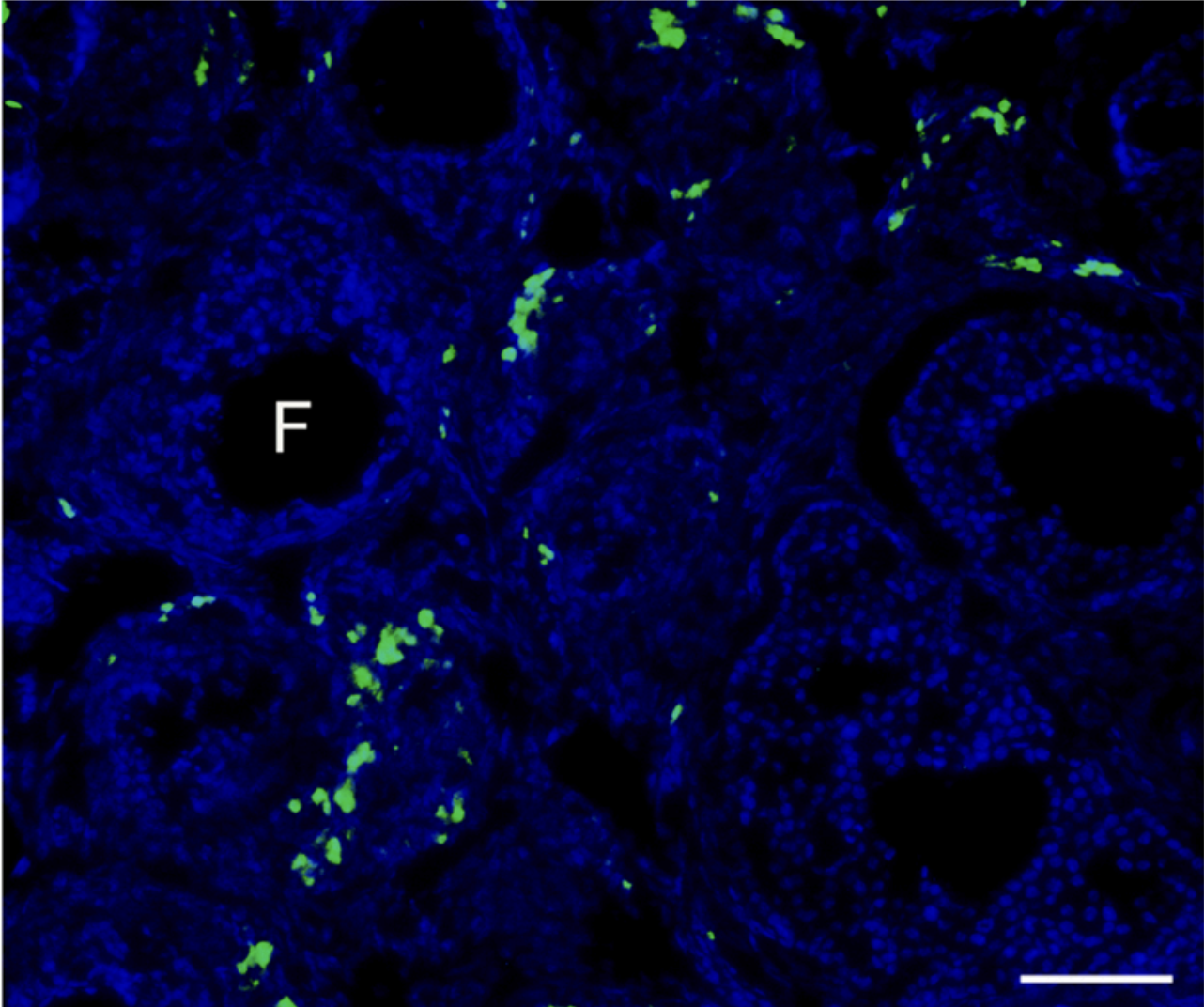
Our lab uses genetically engineered mouse models to study human disease. In particular we produced mouse strains to understand the role of MAPK and GMP signaling in the genesis of tumors of the nervous system, of germ cells and of melanocytes. We aim to develop mouse cancer models based on the evidence that mutations of Ras-Raf-Mek signaling pathway strongly impact on cell transformation and to transfer our findings for validation in human cancer samples.

Prof. Marco Barchi
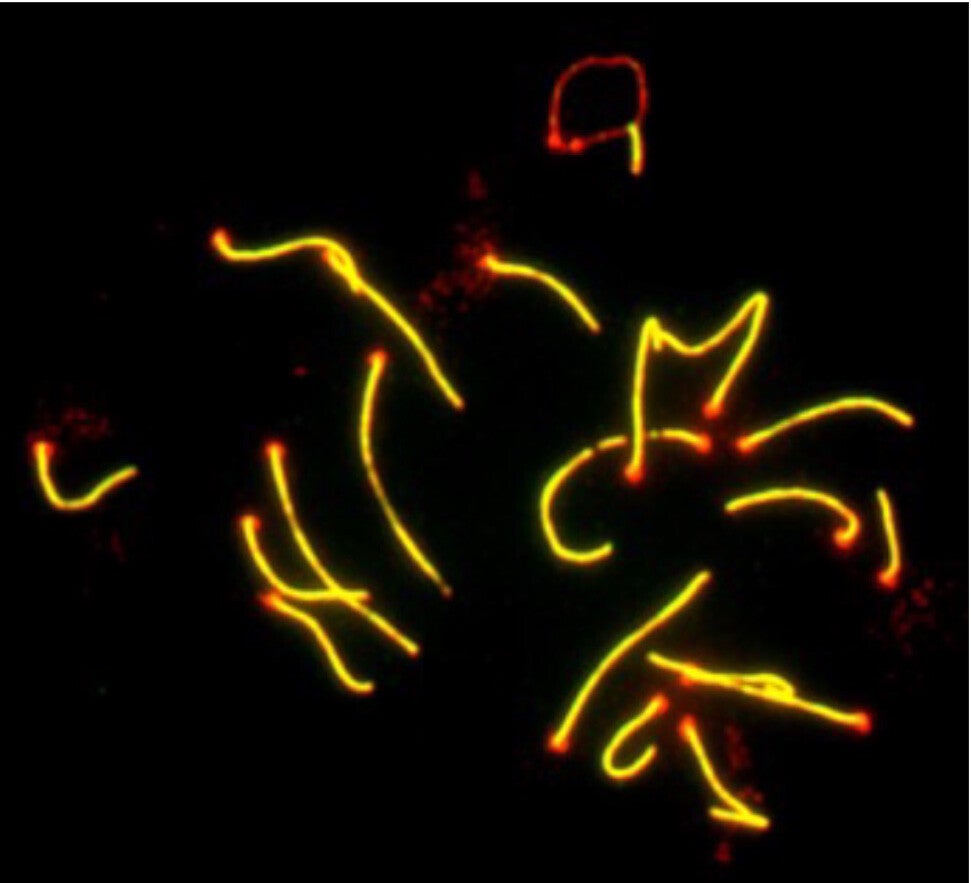
My laboratory combine genetics, molecular biology, and genomics to understand how meiotic recombination is initiated and regulated in mammals, and how failures in these pathways contribute to human disease. Research Focus on
Meiotic Recombination
Mechanisms controlling the formation of programmed DNA double-strand breaks, with particular emphasis on the SPO11 complex and its regulatory partners.
Sex Chromosome Aneuploidy
Genetic causes of X and Y chromosome mis-segregation associated with male infertility, investigated through genomic approaches including whole-exome sequencing (WES) and Nanopore sequencing.
Testicular Germ Cell Tumors
Role of DNA repair pathways in chemotherapy response and resistance in germ cell tumours.

Prof. Paola Grimaldi
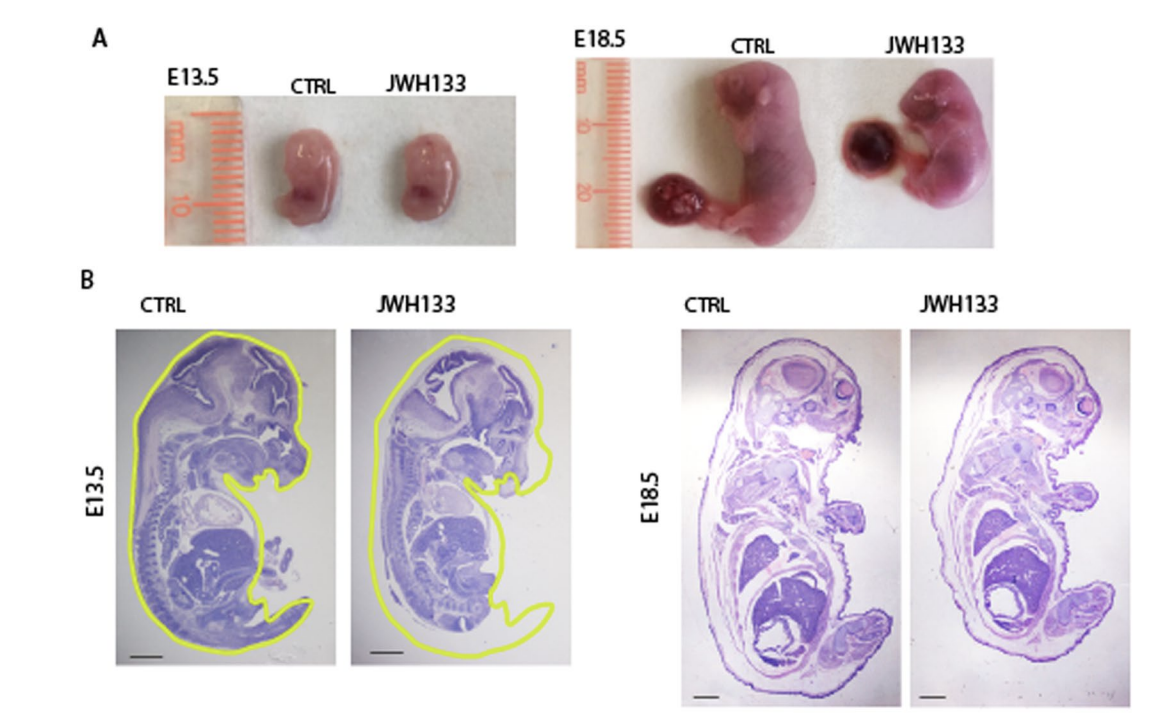
In the last 10 years our laboratory has been focused on the study of the “Endocannabinoid system” (ECS) in germ cells and in CNS. The ECS is ubiquitously expressed and is involved in maintaining cell homeostasis. It is composed of lipid molecules, called endocannabinoids, that bind to cannabinoid receptors CB1 and CB2, and enzymatic proteins that synthetize and degrade endocannabinoids. ECS regulates many biological processes such as proliferation, differentiation, apoptosis and its alteration is associated to pathological conditions. In germ cells we elucidated the role of CB2 receptor in promoting meiotic entry of male and female germ cells and in inducing epigenetic modifications in these cells that can be transmitted to the future generation. In the field of CNS, we demonstrated the effect exerted by CB1 receptor in Neural stem cells differentiation and maturation into neurons. Studies on these fields are currently in progress.
Prof. Pamela Bielli
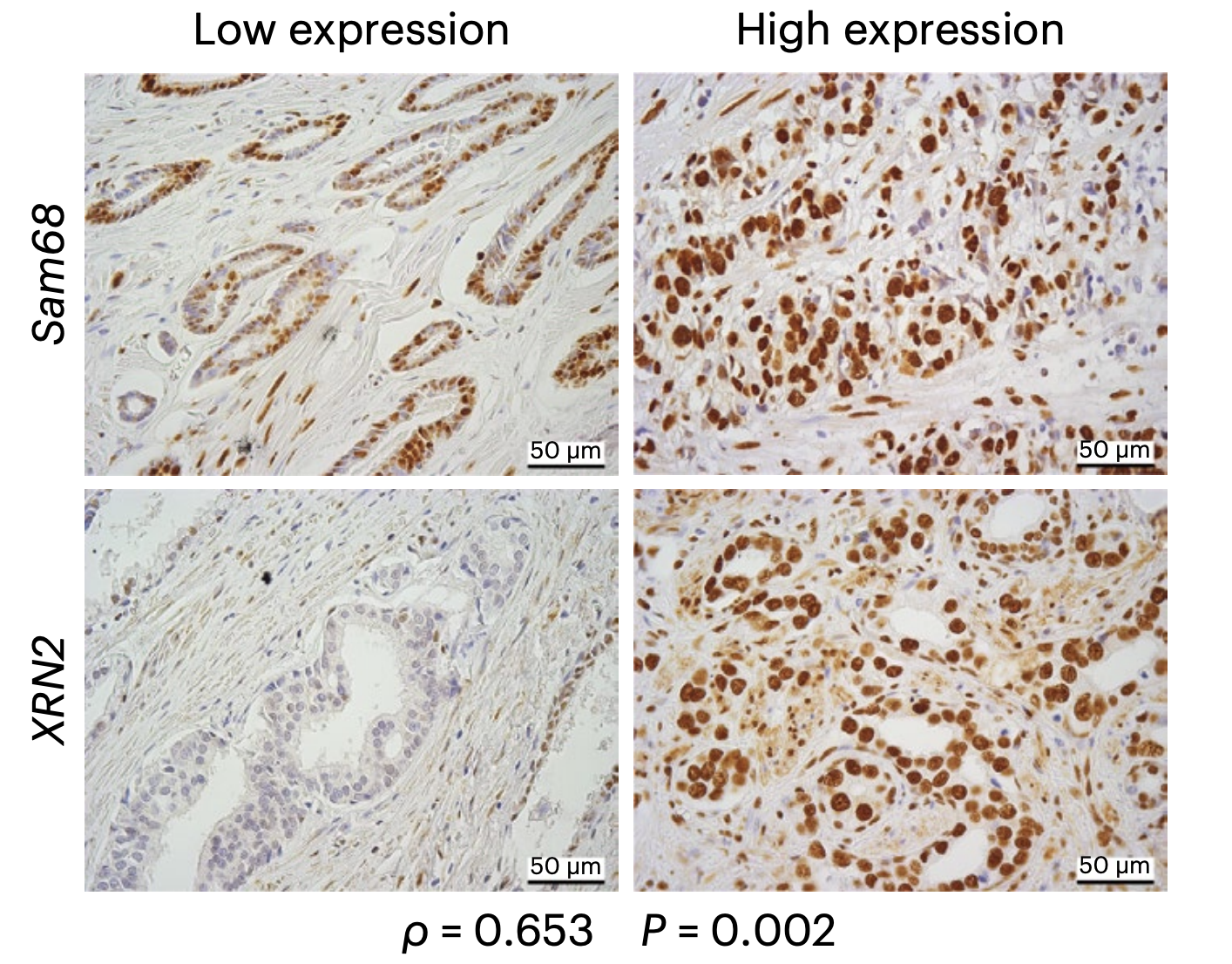
In humans regulation of gene expression is primarily controlled by regulation of RNA processing, a set of stepwise post-transcriptional modifications responsible of transcriptome expansion and proteome diversity. Aberrant RNA processing regulation can generate dysfunctional proteins leading to modification of fundamental physiological processes and thus raising the risk to develop pathological conditions. Due the relevance of this process, our laboratory is mainly focused on the study of RNA processing regulation in physiological processes, as apoptosis and differentiation, and in pathological condition, as cancer and neurodegenerative diseases. During the last five years, our research work mainly contributed to elucidate the role of pro-oncogenic splicing factors in alternative splicing regulation of cancer-related genes in tumors, including prostate and bladder cancer. Currently, the understanding of molecular mechanisms underlying alternative polyadenylation and transcription termination regulation and their biological relevance in tumors are our main focus.
Create Your Own Website With Webador